10000Pa Cordless Car Vacuum


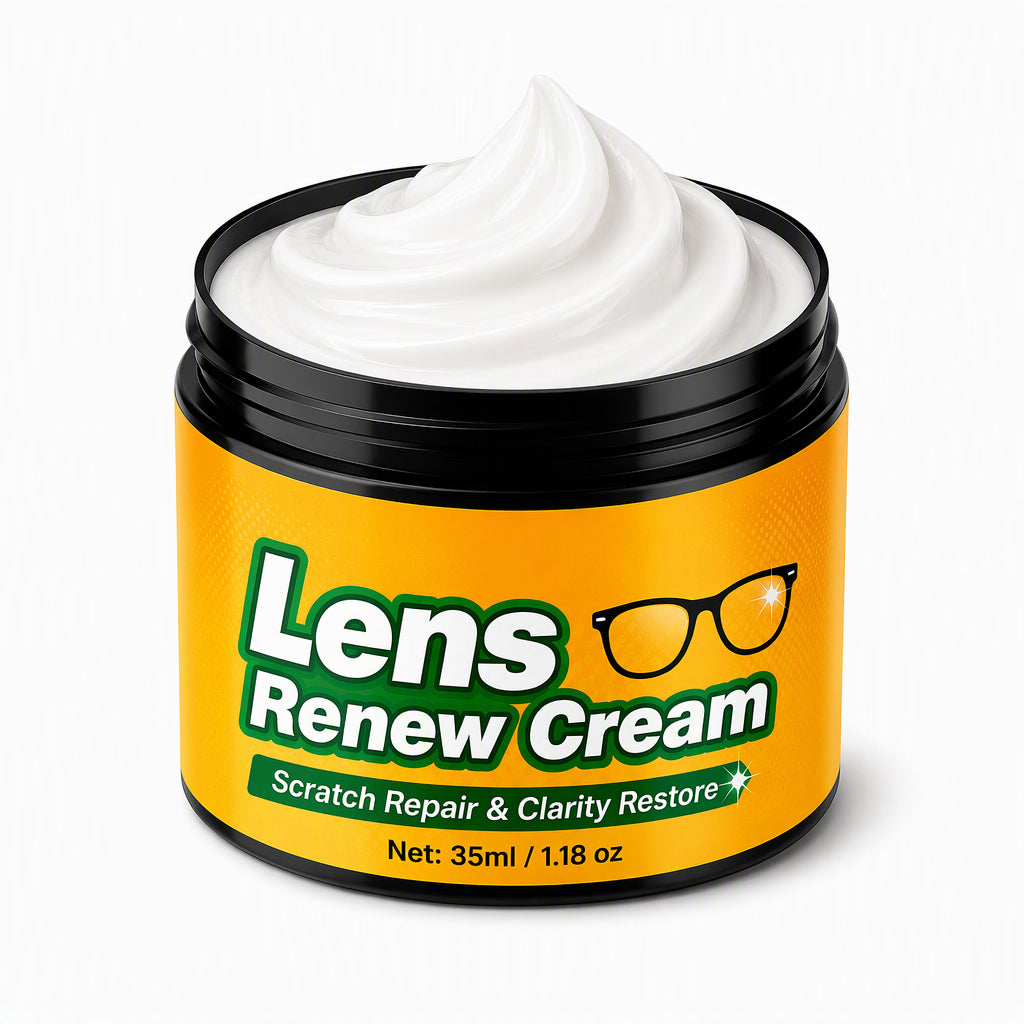
🔥Lens Scratch Repair Cream Set with Sponge for Glasses Goggles Face Shields and Helmet Visors
🔥Lens Scratch Repair Cream Set with Sponge for Glasses Goggles Face Shields and Helmet Visors
$24.99
SPECIAL OFFER · SAVE
Couldn't load pickup availability
VIP Shipping Today Only: Super fast delivery On Sale & Quick Ship

🔥Lens Scratch Repair Cream Set with Sponge for Glasses Goggles Face Shields and Helmet Visors
Regular price
$24.99
Regular price
Sale price
$24.99
APPLY • BUFF • WIPE • REFRESH
Refresh Lightly Scratched
Protective Lenses
A fine polishing cream designed to help reduce the appearance of light surface scratches, haze and scuffing on compatible plastic goggles, visors and protective lenses.
🥽 Goggle Care ✨ Fine Polishing 🧽 Simple Application 🪖 Visor Care
WHEN FINE MARKS AFFECT THE VIEW
Give Compatible Lenses A Careful Polish
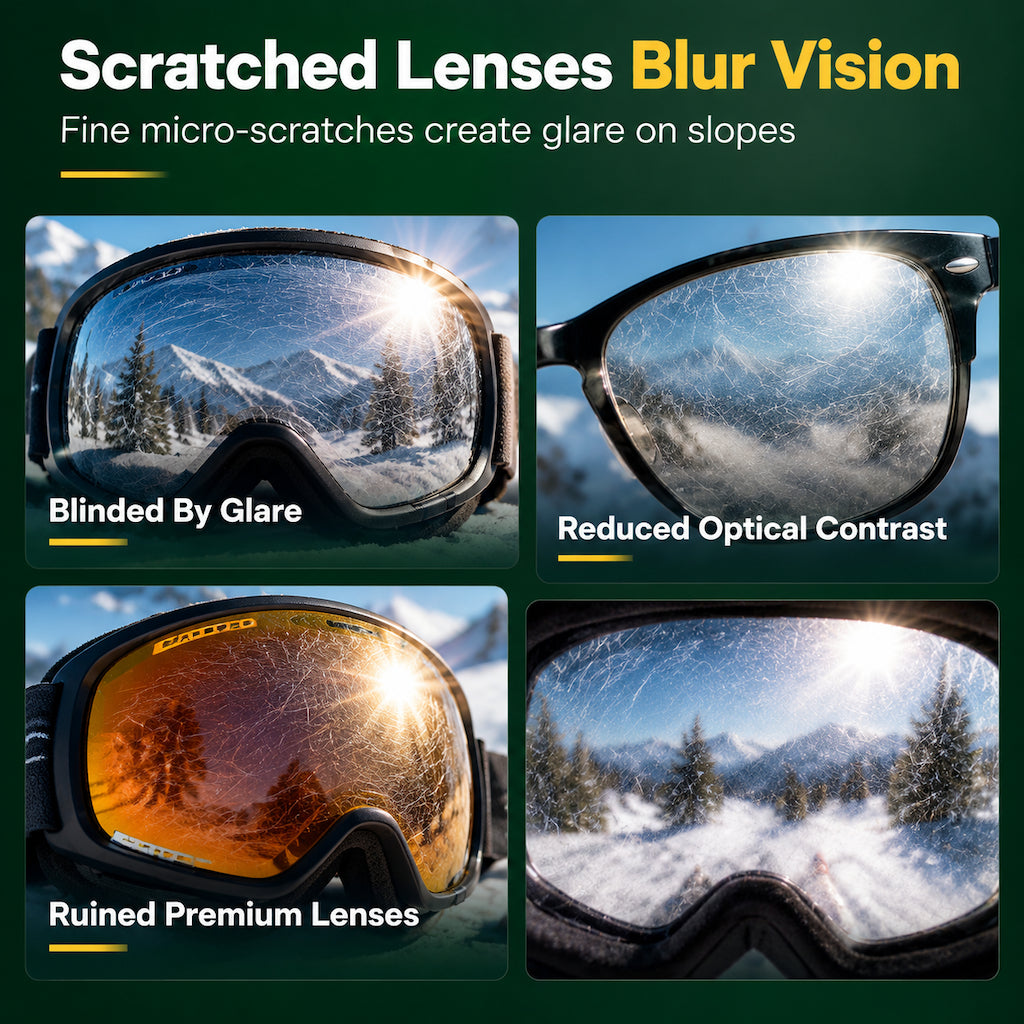
Everyday use can leave fine surface marks on goggles, visors and other protective lenses. Gentle polishing may help make shallow imperfections less noticeable on suitable uncoated surfaces.
FINE SURFACE POLISHING
Designed For Small Surface Imperfections
✨
Micro-Polishing Action
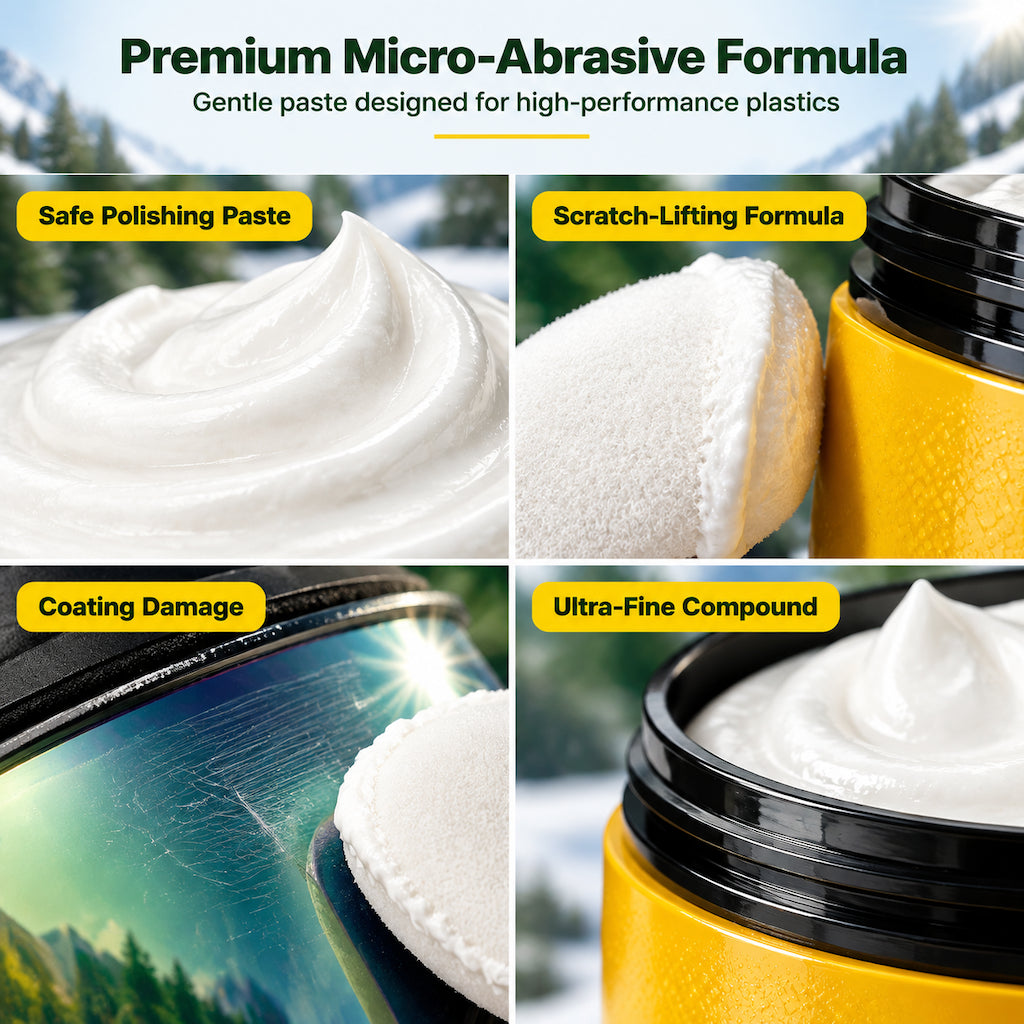
A fine abrasive polishing cream designed to work on shallow surface imperfections.
🥽
Protective Lens Care
Intended for compatible goggles, shields and visor-style plastic surfaces.
🧽
Manual Application
Apply a small amount, buff gently and wipe clean without powered equipment.
👁️
Appearance Refresh
Helps improve the appearance of compatible lenses affected by light surface haze or marks.

THREE SIMPLE STEPS
Apply, Buff & Wipe Clean
1
Clean The Surface
Remove dust, grit and loose debris first. The surface should be clean and dry before polishing.
2
Apply A Small Amount
Put a small amount of cream onto a clean soft sponge or suitable applicator.
3
Buff Gently
Work the cream over a small area using light pressure and controlled circular motions.
4
Wipe & Inspect
Wipe away residue with a clean, soft microfiber cloth and inspect the surface before repeating.
FOR COMPATIBLE PROTECTIVE LENSES
Where It May Be Used
⛷️
Ski & Snow Goggles
For compatible outer plastic lens surfaces without sensitive coatings.
🪖
Helmet Visors
Suitable only when the visor manufacturer permits abrasive polishing products.
🥽
Protective Goggles
For compatible protective plastic lenses with shallow surface imperfections.
🛡️
Face Shields
Use only on surfaces approved by the shield manufacturer for polishing.
⚠️
Check The Lens Coating Before Use
• Do not assume every lens can be polished.
• Avoid prescription eyeglass lenses unless your optician or lens manufacturer specifically approves abrasive polishing.
• Do not use on anti-reflective, mirrored, anti-fog, photochromic, polarized or other specialty coatings unless the lens manufacturer confirms compatibility.
• Some coatings can be permanently damaged by polishing.
• Always test a small inconspicuous area first.
KNOW WHAT POLISHING CAN & CANNOT DO
Best For Light Surface Marks
Fine polishing may help reduce the appearance of shallow scratches and haze. Deep gouges, cracks, chips, delamination and damaged coatings cannot be restored with polishing cream alone.
PRODUCT DETAILS
What You Need To Know
🧽
Application Tips
• Remove all grit before polishing to avoid adding new scratches.
• Use only a small amount of cream at a time.
• Work gently and avoid excessive pressure or prolonged buffing.
• Inspect the lens frequently while working.
• Stop immediately if the surface becomes hazy, discolored or uneven.
Frequently Asked Questions
What type of scratches is this intended for?
It is best suited to fine, shallow surface scratches and light haze on compatible plastic lenses.
Can it repair deep scratches?
No. Deep gouges, cracks, chips and structural damage require replacement or a different repair method.
Can I use it on prescription glasses?
Not unless your lens manufacturer or optician specifically confirms that abrasive polishing is safe for your lenses. Many prescription lenses have coatings that can be permanently damaged.
Can I use it on ski goggles?
Only if the outer lens material and coating are approved for polishing by the goggle manufacturer. Many goggles use specialty anti-fog or mirrored coatings.
Does it completely erase every scratch?
No. Results depend on scratch depth, lens material, coating and polishing technique. Light marks may become less visible, while deeper damage may remain.
🥽✨
Give Compatible Lenses A Careful Refresh
For light surface marks on compatible goggles and protective lenses, a careful polish may help improve the visible surface finish.
Results vary by lens material, coating, scratch depth and application technique. Abrasive polishing can damage some lens coatings. Do not use on prescription, anti-reflective, mirrored, anti-fog, photochromic, polarized or specialty-coated lenses unless the lens manufacturer specifically approves polishing. Deep scratches, cracks and coating damage cannot be restored with polishing cream alone.