Catalytic Converter Cleaner🚗
Catalytic Converter Cleaner🚗
Couldn't load pickup availability
-
Ordered
- - -
Order Ready
- - -
Delivered

Catalytic Converter Cleaner🚗
Support A Cleaner
Fuel & Exhaust System
A simple fuel-tank additive designed to support routine catalytic converter, fuel-system and exhaust-path maintenance in compatible gasoline-powered vehicles.
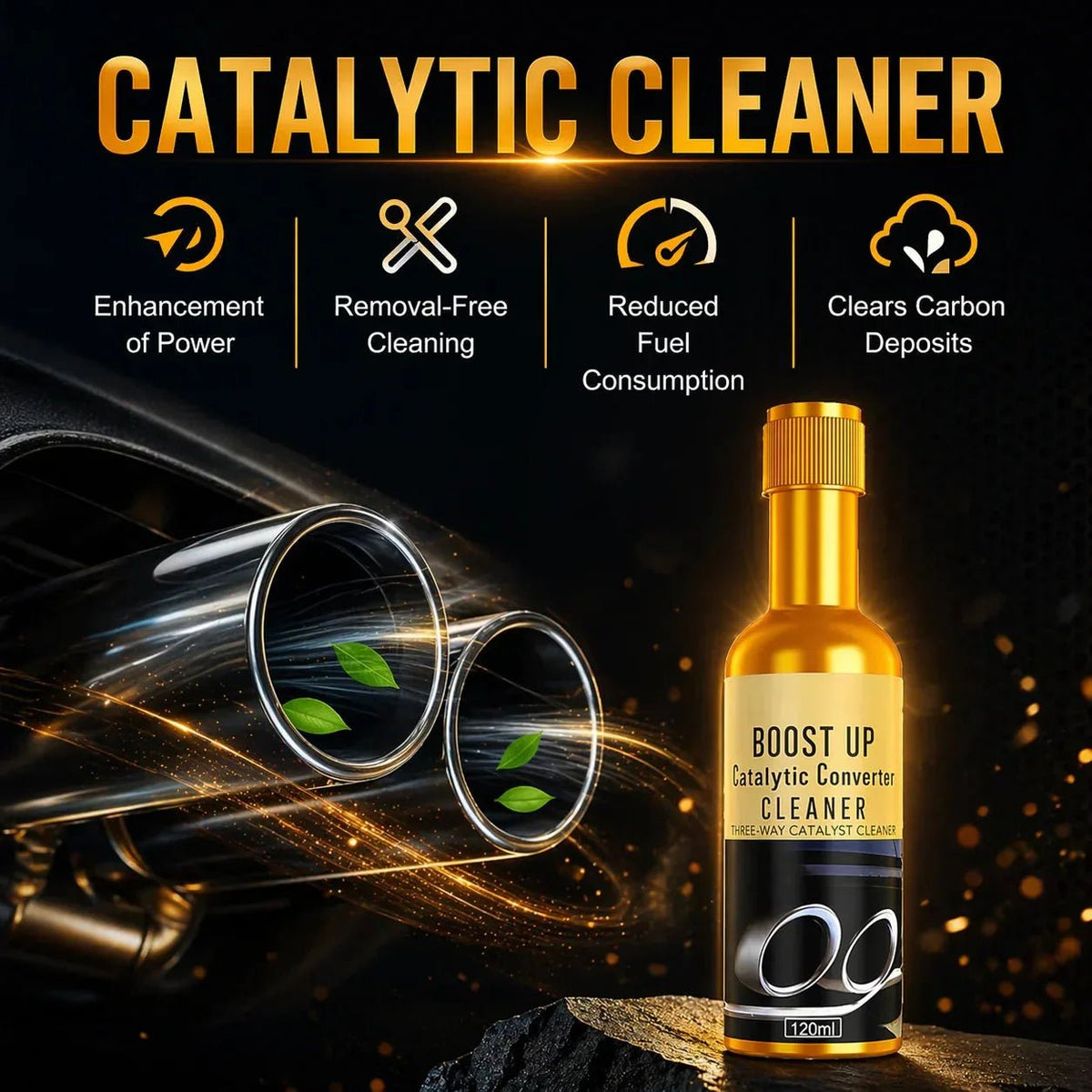
Pour It In And Drive Normally
Instead of removing exhaust components, this liquid treatment is added directly through the fuel tank and works as the vehicle is driven as part of a regular maintenance routine.
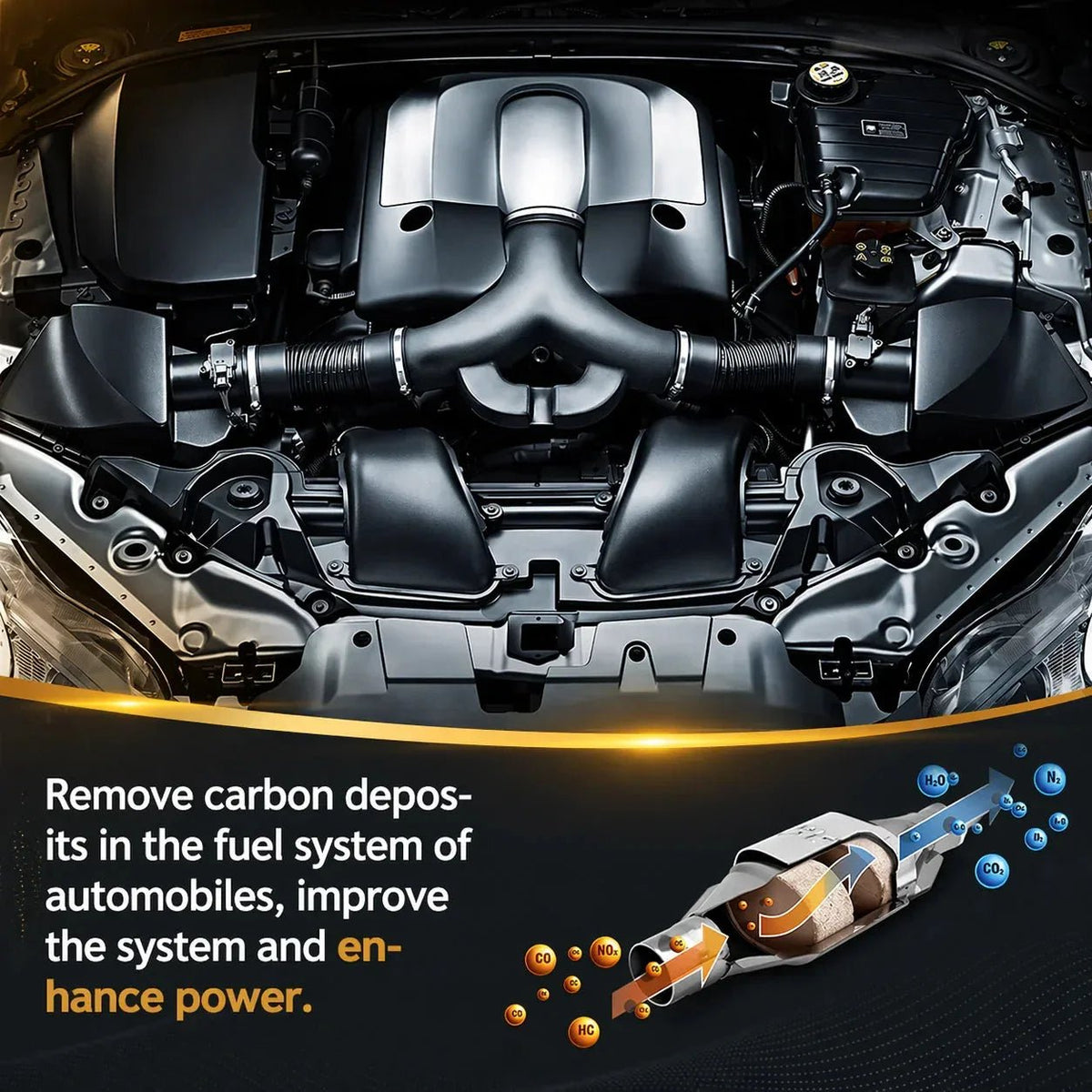
Support The System From Tank To Exhaust
Fuel-System Care
Designed to travel through the fuel path during normal driving as part of routine system maintenance.
Deposit Management
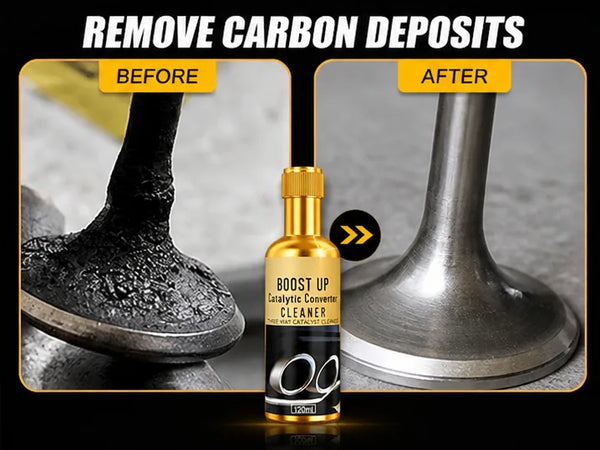
Helps manage carbon and combustion-related deposits along the fuel and exhaust path.
Exhaust-System Care
Intended to support routine exhaust and catalytic converter care in gasoline vehicles.
No Mechanical Installation
No exhaust removal, special tool or mechanical installation is required.
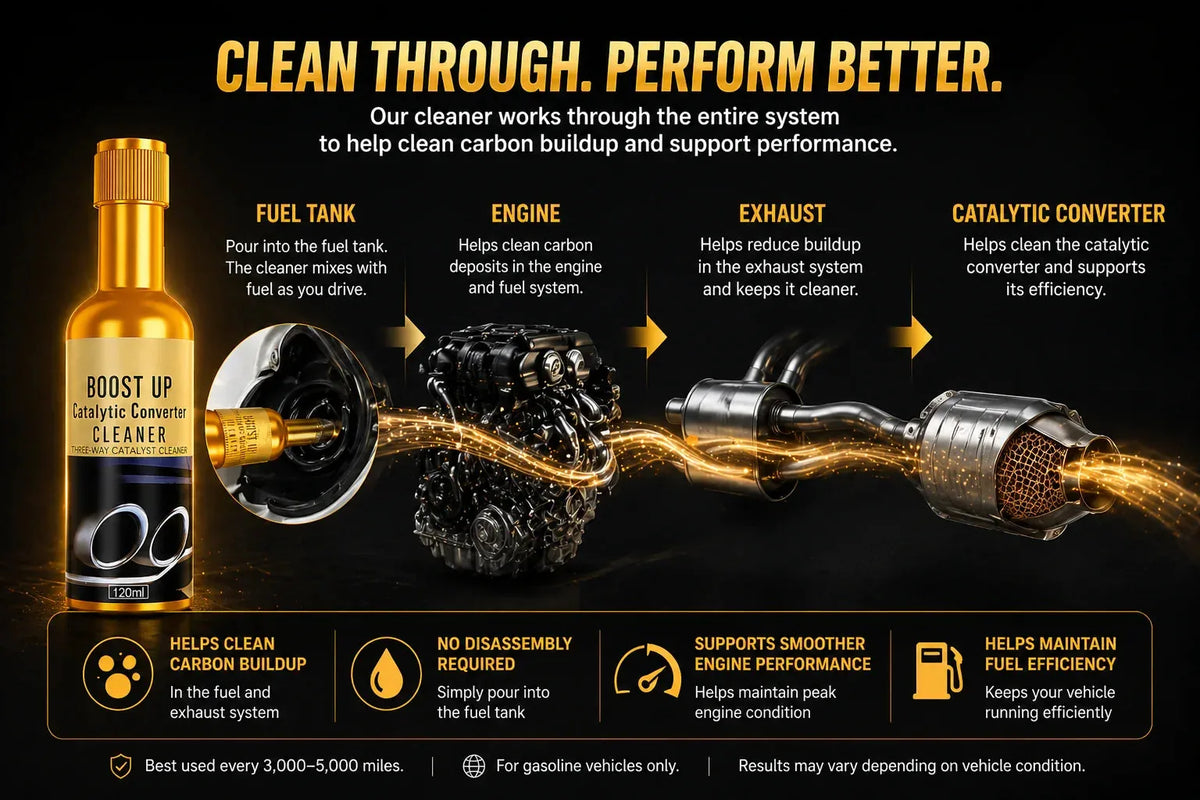
Added At The Tank.
Used While You Drive.
The additive mixes with gasoline and moves through the vehicle's fuel and exhaust path during normal operation, supporting ongoing deposit management and exhaust-system care.
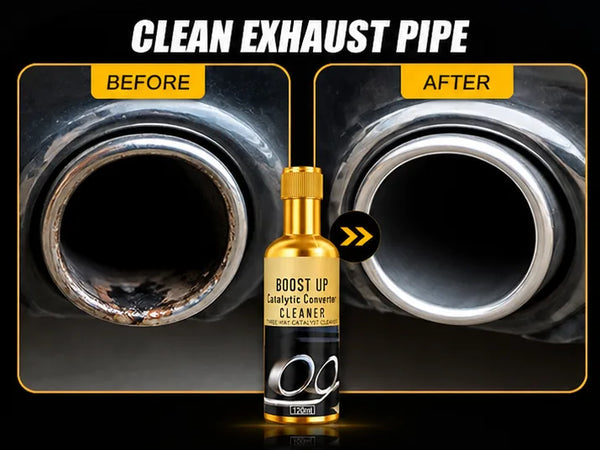
Support A Cleaner Exhaust Path
Combustion naturally creates deposits over time. This treatment is designed to support routine management of buildup within the fuel and exhaust system rather than mechanically removing components.

A Maintenance Step — Not A Mechanical Repair
The cleaner is intended to support routine converter and exhaust-system maintenance. It cannot repair a melted, cracked, physically damaged or mechanically failed catalytic converter.
Simple Enough For Routine Maintenance
No need to remove the catalytic converter for routine product use.
Pour the cleaner directly into the gasoline tank.
Use the vehicle normally while the treated fuel moves through the system.
Incorporate it into an appropriate vehicle maintenance schedule.
Pour. Fill. Drive.
Check Compatibility
Confirm the product is appropriate for your gasoline-powered vehicle and follow the bottle label.
Add One Bottle
Pour one bottle directly into the vehicle's gasoline fuel tank.
Fill The Tank
Use with a full tank of gasoline according to the current product instructions.
Drive Normally
Drive normally until the treated fuel tank is nearly depleted.
Designed To Fit Into A Regular Maintenance Routine
The current product guidance suggests repeating treatment as part of routine care, such as approximately every 3,000–5,000 miles or alongside regular service intervals.
Useful For Routine Care In Many Gasoline Cars
Do not use in a diesel vehicle unless the specific product label explicitly confirms diesel compatibility.
Diagnose The Cause — Don't Guess
Catalyst-efficiency codes can have multiple causes, including converter wear, oxygen-sensor issues, exhaust leaks, ignition problems or fuel-mixture faults. A cleaner should not be treated as a guaranteed solution for any warning light or diagnostic code.
What You Need To Know
What This Product Cannot Do
• It cannot repair a physically broken, melted or cracked catalytic converter.
• It cannot repair a failed oxygen sensor.
• It cannot repair exhaust leaks, ignition faults or mechanical engine damage.
• It does not guarantee that a check-engine light will turn off.
• It does not guarantee that a vehicle will pass an emissions inspection.
• Persistent warning lights or drivability problems should be properly diagnosed.
Important Use Notes
• Follow the directions printed on the product bottle before use.
• Use only with a compatible gasoline-powered vehicle.
• Do not use in diesel vehicles unless the product label specifically permits it.
• Do not pour the product into engine oil, coolant or other vehicle fluid reservoirs.
• Keep away from children and avoid contact with eyes or skin.
• If your vehicle has a serious warning light, overheating, misfire or severe drivability issue, seek proper diagnosis before continuing to drive.
Frequently Asked Questions
Where do I add the cleaner?
Do I need to remove the catalytic converter?
Is it suitable for diesel vehicles?
Can it fix a damaged catalytic converter?
Will it turn off the check-engine light?
How often can it be used?
How much product is in one bottle?
Does it guarantee better fuel economy?
Simple Fuel-Tank Care For Your Next Drive
Add it to the fuel tank, drive normally and make routine fuel and exhaust-system deposit care part of your regular vehicle maintenance.